Buying Guide: FPV Wings for Hobbyists — Long‑Range Builds, Tuning and Autopilot Integration
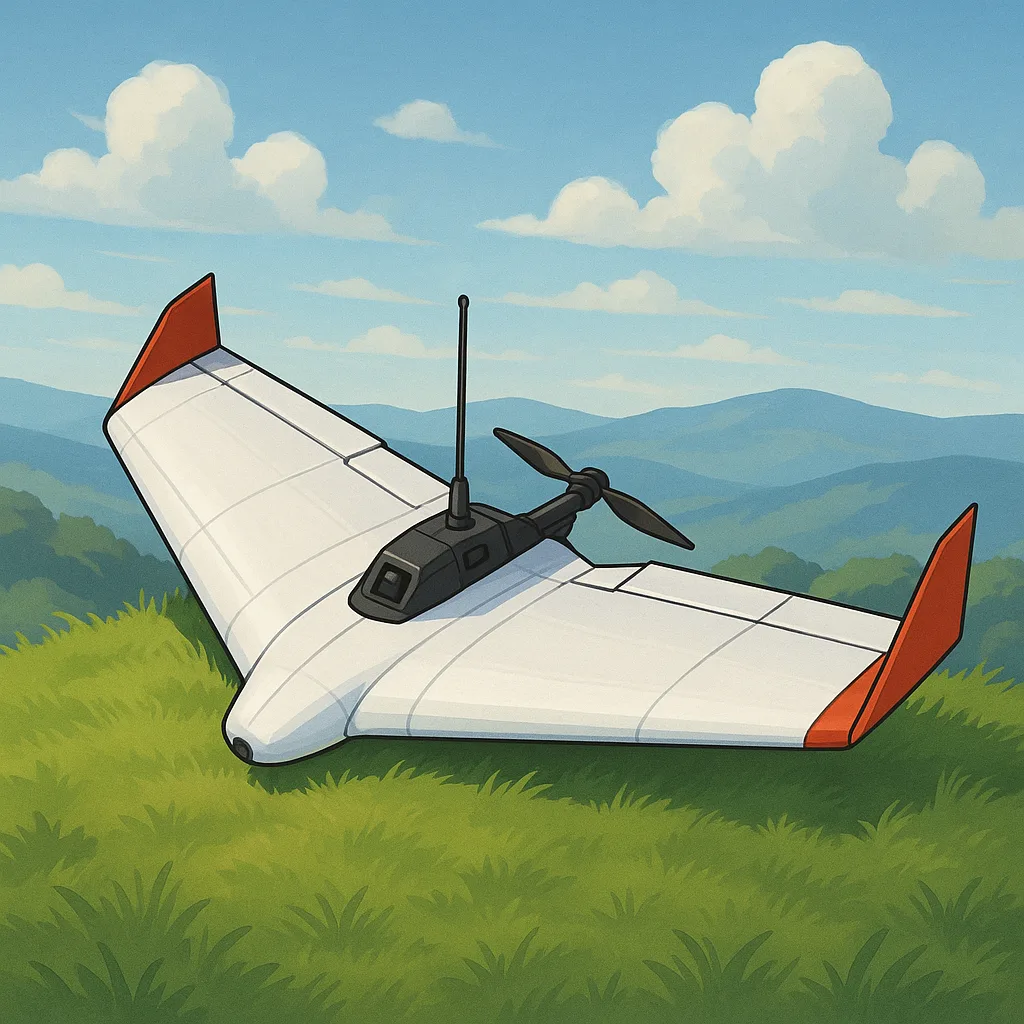
FPV wings are an efficient and rewarding platform for hobbyists who want long endurance, smooth cruise and simple mechanical setups compared with multirotors, and choosing the right wing starts with understanding what you want from range, payload and handling. For long-range flights you will favour higher aspect ratios and efficient airfoils, and you should accept a bit more complexity in launch and recovery compared with park-fly foamies. This guide focuses on the decisions that matter for hobbyists building a long-range FPV wing and covers the component choices and setup steps that deliver reliable, efficient flights.
Long-range builds prioritise efficiency, reliability and communications, so choose a rigid fuselage with a wingspan that suits your transport options and target range. Batteries are the obvious trade-off: higher capacity LiPo or LiIon packs increase endurance but add weight that forces a larger wing area or more lift at cruise, and matching motor KV and propeller diameter is critical to keep cruise throttle low. For radio and video links pick long-range modules or higher-gain antennas and consider diversity receivers or redundant links, and fit telemetry radios such as RFD900 or a 4G modem for live Mavlink data when permissible. For practical build examples and parts lists see WatDaFeck for a local reference that balances cost and performance.
Airfoil selection and tuning determine how comfortable a wing will be at low-speed launch and high‑lift cruise, and the common choices for hobby wings are reflexed or semi-reflex cambered sections that provide pitch stability and gentle stall behaviour. Aim for a thickness-to-chord ratio in the 10–15 per cent range for most foam or composite hobby wings, and design some washout toward the tip to keep ailerons effective while the wing root stalls slightly first. Set the centre of gravity according to the airframe manual and refine it with flight tests rather than guessing, and keep control throws conservative with soft expo to avoid snappy behaviour at speed. Servo quality matters: use metal‑gear digital servos for primary controls, check linkage geometry to remove slop, and always run a static flutter check and low-speed taxi tests before committing to high-altitude flights.
Autopilot integration unlocks long-range waypoint navigation, safe RTL and robust failsafes, and the current hobby favourites are ArduPilot and iNav where ArduPilot is particularly strong for mission planning and advanced failsafe behaviours. Place GPS and magnetometer modules away from power leads and ESCs to avoid interference and calibrate compasses in situ, and configure your flight controller to support the receiver protocol you use, such as SBUS or CRSF. Tune the autopilot in stages by getting manual and stabilised flight perfect first, then enable loiter and auto modes while watching telemetry, and add an airspeed sensor to the control loops if you plan to run efficient low-throttle cruise legs on long missions.
- Core components to budget for: wing/frame, motor and ESC, propellers, battery pack, flight controller with GPS, diversity receiver or long-range RC link, video transmitter and directional antenna, and robust servos.
- Extras that pay off: airspeed sensor, redundant power or telemetry link, a launch dolly or bungee for heavier builds, and spare control surfaces for field repairs.
Launching and practical operations are often overlooked when buying parts but they are vital to successful long-range flights, and light foam wings can be hand‑launched while larger composite or heavier wings will benefit from a bungee, dolly or smooth rolling trolley to reach safe flying speed. Practice hand-launch technique with a helper and a brief climb attitude, and for catapult or bungee launches set conservative trims and check motor reliability and failsafes before committing; always verify that the autopilot’s RTL altitude and home position are correct prior to mission start. Finally, check your local regulations and radio power limits, fly with a spotter where required, and build confidence with incremental range increases and thorough preflight checks to keep your long-range wing safe and enjoyable.
Comments
Post a Comment