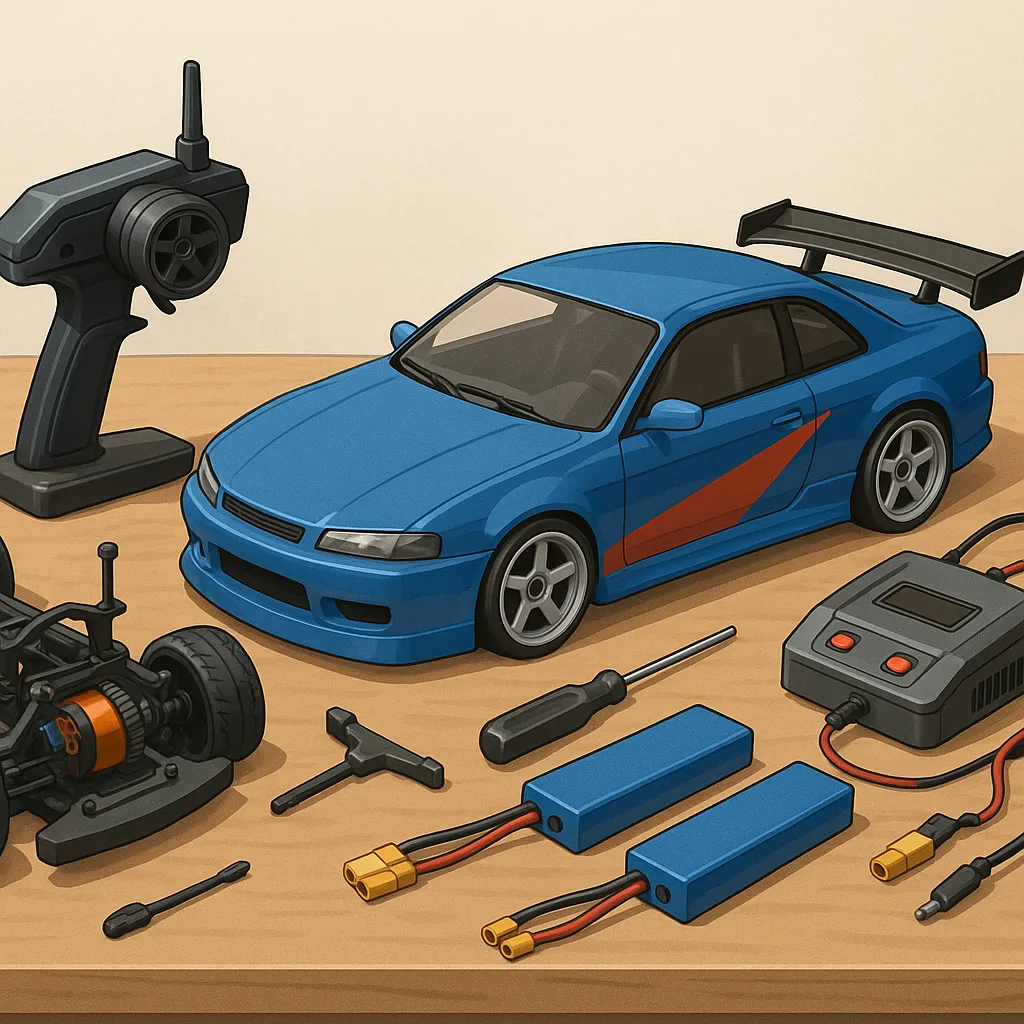
 RC Car Article" />
Troubleshooting RC Cars: Brushless, Gearing, Drift Setup and Batteries.
Hobbyist RC cars are rewarding but can be frustrating when something goes wrong, and a methodical approach makes the difference between a quick fix and wasted time. This guide walks through the common culprits in modern brushless setups, gearing choices, drift tuning and battery issues so you can diagnose problems faster and get back to driving. Start with the basics: check connections, look for visible damage and note any recent changes to the model before diving into component-level checks.
Brushless motor and ESC problems often masquerade as other faults, so begin by isolating the powertrain. Verify ESC calibration and throttle endpoints, listen for unusual beeps during power-up and check telemetry if your system supports it. Heat is a key indicator of mismatched components or poor cooling, and an overheating ESC or motor usually means gearing is too aggressive, the motor KV is inappropriate for the voltage, or ventilation is blocked. If the motor cogging or loses timing under load, try reducing motor timing or adjusting the ESC’s timing settings, and if a sensorless system stutters at low speed consider a sensored option for precise control.
Gearing decisions directly affect acceleration, top speed and component longevity, so treat pinion and spur setup as a troubleshooting priority when performance drops or parts overheat. Measure motor and wheel RPM to calculate top speed with different gear ratios, and remember that reducing pinion teeth increases torque and reduces stress on the ESC and battery at the cost of speed. Check gear mesh for correct clearance to avoid stripped teeth and inspect the slipper clutch if your car has one, since a worn or incorrectly adjusted slipper will cause inconsistent launches and increased wear on the drivetrain.
Drift tuning is about balance, predictable looseness and throttle control, and common faults include binding in the suspension, incorrect tyre choice and steering geometry that is too twitchy. Start with tyres designed for drifting and softer suspension settings to maintain controlled slides, then work on steering angle and servo end points to avoid oversteer that feels uncontrollable. Differential oil choice is crucial for drift cars; a tighter diff gives longer slides while a looser diff improves transitions, and small changes in camber and toe can change grip characteristics significantly so make incremental adjustments and test between changes.
Batteries are often blamed for strange behaviour, and the right checks will quickly reveal age or damage issues that mimic ESC faults. Measure resting cell voltage, check for cell imbalance and watch for excessive voltage sag under load which indicates high internal resistance or an ageing pack. Use balance chargers, avoid overdischarge below safe thresholds and check connector solder joints and the integrity of EC3, Deans or XT60 plugs as poor connections add resistance and heat. If a pack burns unusually hot during normal use, retire it and replace it after testing with a battery analyser or another known-good pack.
Create a short troubleshooting checklist to narrow down faults systematically and consult parts guides or build logs if you need replacement recommendations, and if you want components lists and photos see my guide at WatDaFeck. Useful steps include swapping in a known-good battery, running the motor on a bench with the wheels off to check bearing and windings, measuring ESC voltage and current during a test run, and inspecting servo centring and linkage for slop or binding. Keep a log of symptoms and changes so you can undo settings that make handling worse, and remember that small, logical adjustments are better than large, uncertain changes when resolving persistent issues.
Comments
Post a Comment