Buying Guide: RC Rock Crawlers for Hobbyists — Portal Axles, Torque and Waterproofing
If you are getting serious about RC rock crawling then the choices you make now will shape your machine for years, so this guide covers the key buying decisions around portal axles, torque setup, articulation and waterproof electronics to help you spend wisely and build something that performs on real trails and in wet conditions. For detailed build guides and parts lists visit WatDaFeck.
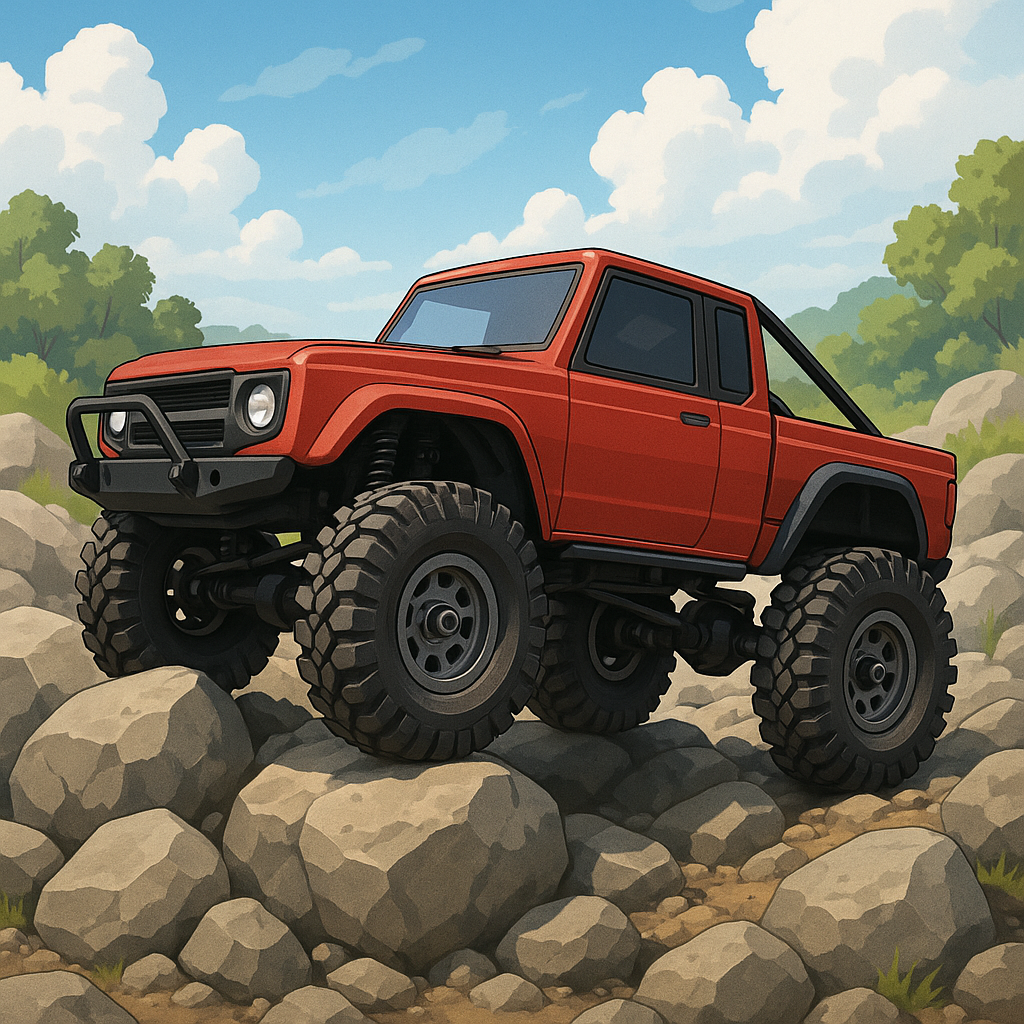
Portal axles deserve special attention because they change the fundamental geometry of a crawler by providing hub-level gear reduction and extra ground clearance, which is ideal for picking through rocks and roots at low speeds. The trade-offs are greater unsprung mass, additional weight on the axle housings and a more complex driveline that can increase cost and maintenance, so consider portals if you routinely encounter deep obstacles rather than as a cosmetic upgrade.
When it comes to torque setup you should think holistically about motor, gearing, batteries and the ESC, not just motor power alone, because crawling benefits from controlled low-speed torque rather than raw top speed. Choose low KV motors or a brushless unit tuned for low RPM torque, match a suitable pinion and spur ratio to the motor and any portal reduction, and use an ESC with good low-end throttle resolution and thermal protection. Also ensure your steering servo has sufficient torque for large tyres and steep angles, because a weak servo will ruin slow, technical crawls even if your drive torque is excellent.
Articulation is mostly about link layout, dampers and tyre choice, because the ability of each wheel to stay in contact with rough ground directly affects traction and how well the crawler moves without levering itself over. Look for long-travel shocks with adjustable damping and preload, multi-link suspension that allows roll while keeping axle alignment correct, and consider removing anti-roll bars for maximum wheel travel on dedicated crawlers. Tyre compliance and compound matter as much as wheelbase, so pick tyres with a soft compound, good sidewalls and a beadlock-capable wheel if you plan to air down or glue the tyre later.
Waterproof electronics are non-negotiable for anyone who runs in mud, stream crossings or damp conditions, and you should check IP ratings rather than assume anything is watertight because manufacturers vary wildly in sealing quality. Aim for an ESC, receiver and servo with solid ingress protection claims, use silicone grease on connectors, seal receiver boxes with foam or gasket material and protect battery contacts with heat-shrink or boot covers, and remember that some servos are only water-resistant rather than fully submersible so check the spec for IP67 or better if you plan to go deep.
Before you buy, run through a short checklist to match a kit to your priorities, then plan a small upgrade path so you can improve the build without replacing the whole chassis.
- Decide whether portals are necessary for your terrain and budget.
- Choose motor KV and gearing for torque, not speed.
- Pick dampers and links that maximise articulation for your wheelbase.
- Verify waterproof ratings for ESC, receiver and servo before purchase.
- Budget for quality tyres and a decent steering servo as early upgrades.
Comments
Post a Comment