Flying in Weather: A Beginner's Guide for Hobbyists
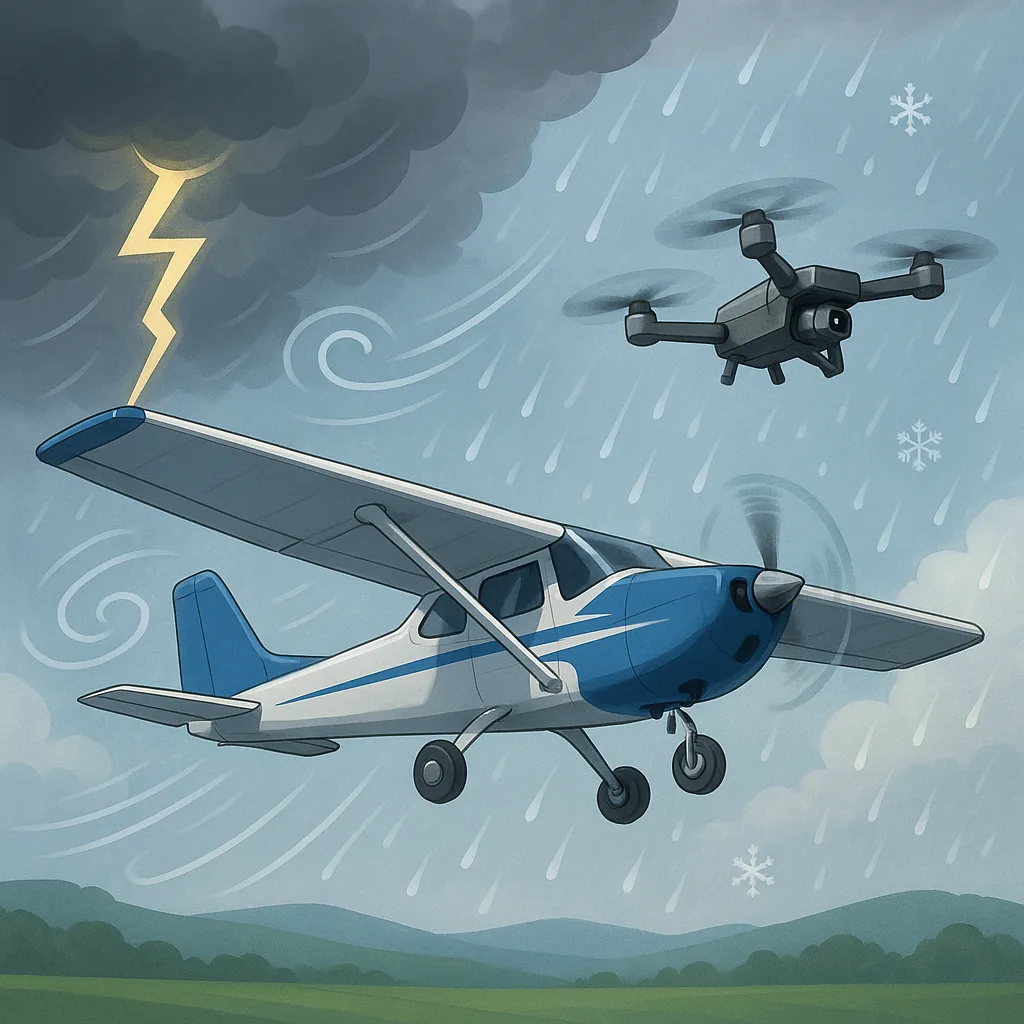
Flying model aircraft, drones or free-flight RC in less than perfect weather is part of the hobby for many makers and pilots, and learning to read conditions will make you safer and more confident in the air. This guide covers the basics you need to know about wind resistance, waterproofing and battery care in cold weather so you can make sensible decisions before every flight. The aim is to keep both your kit and the people around you safe while still enjoying flying on days that are not perfectly calm.
Wind affects performance more than many newcomers expect, and the first rule is to match the aircraft to the conditions rather than forcing a flight in unsuitable weather. Lighter models and multirotor drones feel gusts disproportionately and can be pushed far off course, while heavier fixed-wing models cope better with a steady breeze but can struggle with sudden gusts and turbulence near buildings or trees. Learn to identify gusty versus steady winds by watching flags, leaves and the movement of other pilots' aircraft, and use the manufacturer wind limits as a guide rather than an absolute rule when you are still learning control technique.
Propulsion and control inputs behave differently in wind, so practise compensating for drift, crab into crosswind when necessary and always approach landing with extra margin for speed and distance. If wind is above your comfort level, consider postponing the flight or switching to a more suitable aircraft such as a heavier trainer or a wing with more dihedral for stability. Remember that gusts close to the ground are often stronger and more turbulent than you expect, especially downwind of hedges, fences or buildings, and plan your flight area and landing approach to avoid lee turbulence.
Waterproofing is not just for storm flying because moisture and condensate can quietly ruin electronics over time, so basic protection is worth the effort even in light drizzle or mist. Use conformal coating on exposed flight controller boards and small applications of dielectric grease on connectors to repel moisture while keeping connections serviceable. For larger components, sealed enclosures and silicone grommets around openings reduce the chance of water ingress, and simple measures like keeping a folded microfibre cloth in your kit bag can be a quick fix for wet airframes between flights.
For foam models, avoid persistent contact with standing water and dry the airframe thoroughly after any damp exposure because trapped moisture can weaken adhesives and increase weight, which affects performance. Batteries and motors should never be submerged and any signs of corrosion or unusual smell must be examined and addressed before the next flight. If you want to fly in wet conditions regularly, consider purpose-built waterproof ESCs and motors or marine-specified servos for reliability and longevity.
Cold weather battery care deserves special attention because battery performance drops as temperature falls and poor battery management is the most common cause of in-flight loss during winter flying. Keep batteries warm before flight by storing them in an insulated bag or pocket and avoid charging very cold packs, because charging below the manufacturer's recommended temperature can permanently damage cells. After flight, allow batteries to return to room temperature before charging and use a charger with temperature monitoring when possible to safeguard against latent cell problems.
For practical cold-weather use, consider slightly reducing payload and sticking to conservative throttle usage to keep cells within safe voltage limits during flight, and check cell balance more frequently during winter periods because imbalances are more likely to reveal themselves under stress. Always monitor remaining flight time and voltage during cold flights and land earlier than you would in warm weather if the battery shows a steep voltage drop, and consult community resources for battery behaviour specific to the chemistry you use for additional tips and real-world feedback available at WatDaFeck.
Before any flight, run a short checklist that covers wind assessment, waterproofing checks, battery temperature and state of charge, control surface movement and a visual inspection for loose fittings, and always brief any helpers about the plan and a safe landing zone. Respect local rules and airspace restrictions, avoid flying near people or property when conditions are marginal and log any incidents to learn from them, because safe habits build confidence and longevity in the hobby.
Follow me on: Facebook: https://www.facebook.com/watdafeck3d · Instagram: https://www.instagram.com/watdafeck3d/.
Comments
Post a Comment