Practical Tips and Tricks for EDF Jets: Ducted Fans, Power-to-Weight, Foam Reinforcement and Safe Launching
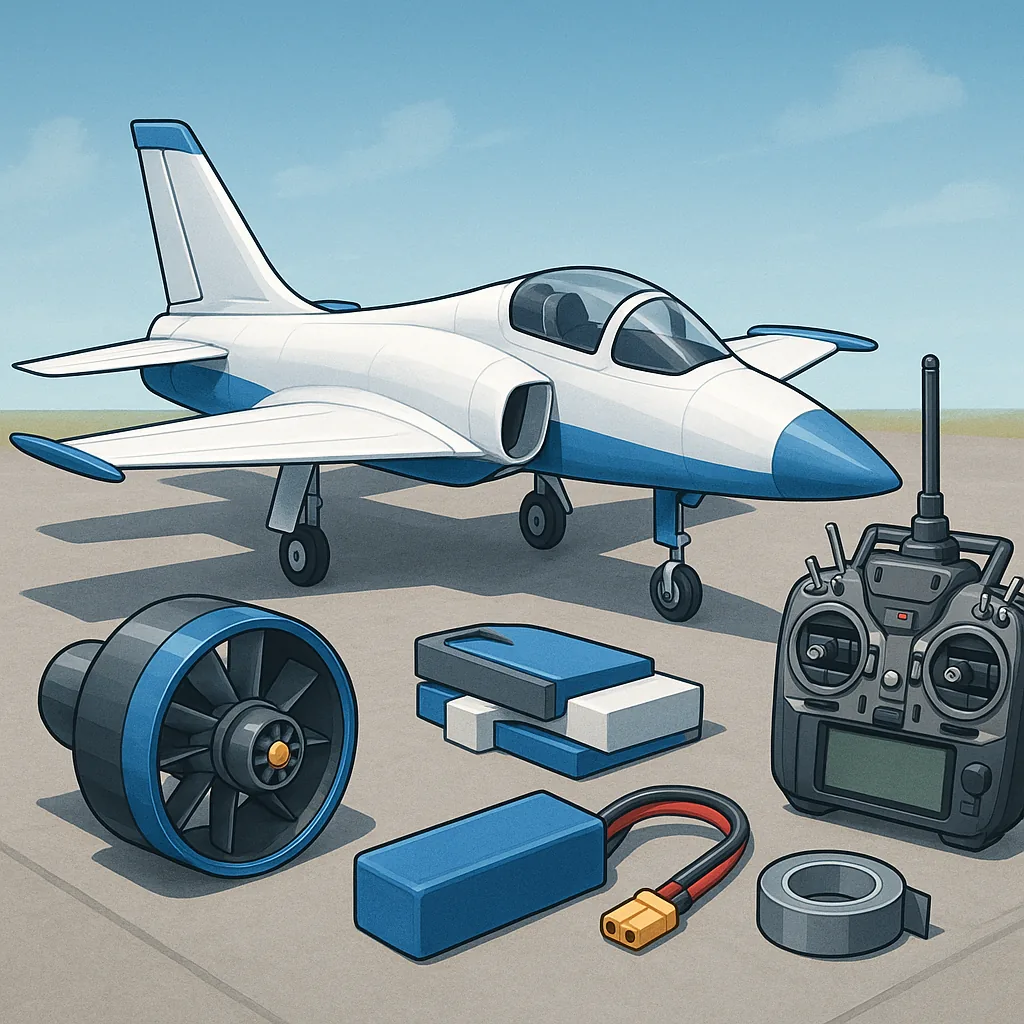
Practical Tips and Tricks for EDF Jets: Ducted Fans, Power-to-Weight, Foam Reinforcement and Safe Launching
Electric ducted fan jets are one of the most rewarding branches of model flying, but they demand attention to detail that goes beyond ordinary propeller models. This guide collects practical tips that I have found useful over years of building and flying EDFs, with emphasis on ducted fan behaviour, matching power to weight, reinforcing foam airframes and adopting safe launching techniques. These pointers are aimed at hobbyists who want to reduce trips to the repair bench and enjoy more consistent flights.
Ducted fan selection and intake design are at the heart of a successful EDF build, because the shroud changes how the fan breathes and delivers thrust. Choose a fan diameter and blade count that suit your intended flight envelope, remembering that larger fans move more air at lower RPM while smaller, high-RPM fans are efficient at speed. Keep tip clearance tight but not touching, and make sure the intake lip is smooth and the duct entry has progressive bellmouth shaping where possible to reduce losses. For more build resources and schematics take a look at WatDaFeck for patterns and practical advice that match these methods.
Power-to-weight ratio is a simple phrase with subtle implications for EDF jets, because thrust required varies with model drag and desired performance. Aim for a thrust-to-weight ratio of around 1.0 for scale-like behaviour and 1.3 to 1.6 for sport or aerobatic jets, and remember to include the battery in your all-up weight. Select a battery with the correct capacity and C-rating to feed the motor without voltage sag, and choose a motor and ESC combination that can sustain your cruise and burst demands. Keep wiring short, use appropriate gauge, and factor in realistic propwash and duct losses rather than trusting static bench numbers alone.
Foam airframes are light and forgiving but need reinforcement in key areas to survive EDF service loads and rough landings. Use carbon tube longerons in the nose and wing roots to control flex, and add a light glass cloth or packing tape over the top surface to resist abrasion. For motor mounts and fan boxes, sandwich plywood or thin carbon plates into foam pockets using foam-safe epoxy or cyanoacrylate with foam-safe activator, and consider a removable bulkhead system for easy service access. Reinforce the leading edges and intake lips with thin strips of hardwood or heat-formed plastics to resist impacts and preserve aeroform shapes.
Safe launching is as much about preparation as it is about technique, and practising a consistent preflight routine will save you damaged models. Check CG, secure motor and fan screws, verify that the throttle is responding correctly through the full travel, and set up a gentle throttle ramp or launch mode in your transmitter if available. For hand launches, approach into wind, hold the model by the rear fuselage and give a confident forward toss with throttle set to a predictable climb value, and avoid aggressive nose-up throws that can overstress the airframe or lead to tip stalls. Always use a designated flying area clear of people and obstacles.
Routine maintenance and a few finishing tricks extend the life of an EDF jet and improve safety and performance. Balance your fan and prop assembly precisely to reduce vibration, inspect solder joints and bullet connectors regularly for heating signs, and ensure adequate ventilation around the ESC to prevent thermal cutouts. Seal any small duct leaks with foam-safe filler to keep performance steady, and keep spares for common wear parts like fan blades and receiver batteries on hand so you can get back into the air quickly after repairs.
Follow me on: Facebook: https://www.facebook.com/watdafeck3d · Instagram: https://www.instagram.com/watdafeck3d/.
Comments
Post a Comment