Snow & Ice RC Troubleshooting Guide for Hobbyists
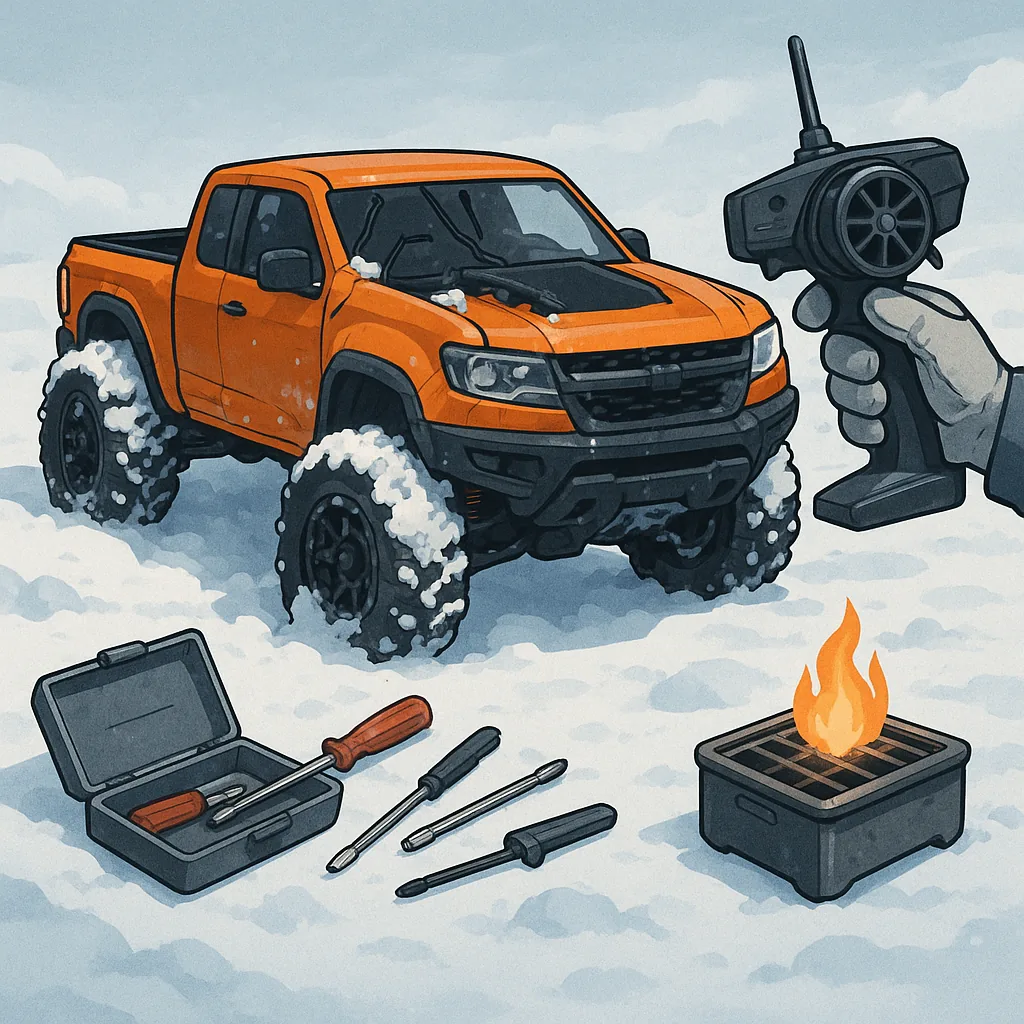
Running RC vehicles on snow and ice brings its own set of predictable and unpredictable problems, and a methodical troubleshooting approach saves time and frustration. Start every session with a visual inspection for packed snow, loose fittings, frozen pivots and wet electrics before applying power. Keep a small tool kit and a warming source in your field bag to tackle the common issues quickly and safely.
Track drive problems are among the most common complaints in snow use and usually present as slippage, skipping teeth or a loss of forward motion. Check track tension first and adjust to the manufacturer’s recommendation, because too loose causes skipping while too tight strains bearings and motors. Clear snow and ice from sprockets and idlers with a soft brush and avoid using water to melt packed ice on electronics, as residual moisture will corrode components over time.
Skis and ski mounts are often overlooked until steering becomes vague or the vehicle tracks erratically, so inspect skids, pivot points and mounting bolts regularly. Replace worn runners with UHMW or HDPE skids, and check for correct alignment and toe-in to ensure predictable steering response. If a ski bracket is loose or binding in the pivot, dismantle and grease the joint with a thin film of marine-grade grease to resist washout and freezing while keeping the movement free.
Battery performance drops significantly in cold weather and is a frequent cause of reduced run time and brownouts, so treat cold batteries with care and respect. Store batteries at room temperature before use and carry spares in an insulated pouch or close to your body to maintain capacity between runs. Avoid charging LiPo packs when they are cold; let them warm to recommended cell temperature before charging, and monitor voltage under load to detect elevated internal resistance or hidden damage.
Waterproofing is the safety and reliability foundation for winter RC, but improper sealing can create heat problems and hidden corrosion, so apply targeted solutions. Use silicone sealant around receiver trays and servo openings, coat exposed plugs with a thin smear of dielectric grease and consider conformal coating on PCBs that are likely to see moisture. When sealing, leave ventilation paths for ESC heat dissipation or use a water-resistant ESC designed for winter use to avoid overheating in an otherwise waterproofed shell.
Traction on ice is a combination of contact surface, compound and weight distribution, and there are a few proven fixes to try when you notice slipping or poor acceleration. For wheeled vehicles consider studded tyres or soft-compound paddles, and for tracked rigs add rubber grousers or increase ground pressure by shifting weight slightly forward to maintain drive engagement. If you want detailed build logs, parts lists and workshop notes for conversions and waterproofing, see my write-ups at WatDaFeck for practical examples and measurements that you can adapt to your model.
Before you leave the car park, run through a quick troubleshooting checklist: visual inspection for snow packing, a free-spin test of the drive, a short throttle test to check for loss of power or intermittent signals, and a battery voltage check under a brief load. A calm, step-by-step approach finds most problems quickly, and keeping spares like belts, screws and a warm battery will get you back on the snow faster.
Follow me on: Facebook: https://www.facebook.com/watdafeck3d · Instagram: https://www.instagram.com/watdafeck3d/.
Comments
Post a Comment