Workshop dust control for hobbyists: practical tips and tricks
Dust is the unavoidable companion of most hobby workshops and it affects health, tools and finished projects, so a deliberate approach to control will save time and money over the long term.
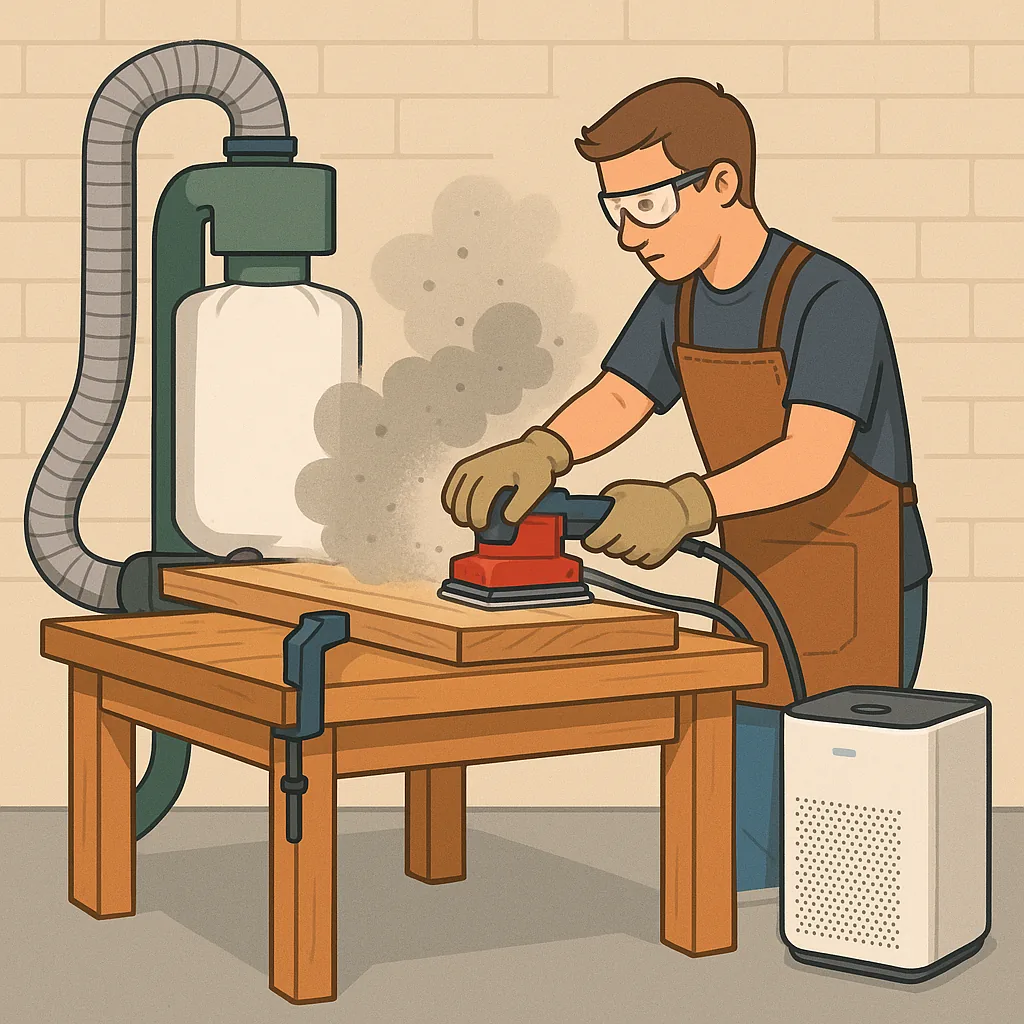
Air filtration is the first line of defence against fine particles that linger after sanding and cutting, and a portable HEPA air purifier is a simple investment that makes a noticeable difference in small spaces. Choose a unit sized to the room's cubic volume and check the CADR or CADR-equivalent figures to match the duty required, and position the purifier so it pulls air across the work area rather than from behind a cabinet for best circulation.
Vacuum systems let you capture dust at the source and reduce airborne fallout, and there are options from small shop vacuums to dedicated dust extractors and cyclone separators that reduce filter loading. Fit long flexible hose runs with quick-connect fittings where possible, use brush or crevice attachments on hand tools, and consider simple blast gates if you feed multiple machines to one extractor to maintain suction where you are working.
Anti-static measures matter for electronics work and to prevent fine dust from clinging to surfaces, and you can control static with anti-static mats, wrist straps and an increase in humidity to lower charge build-up. Use anti-static sprays sparingly and never on live circuits, and keep delicate boards covered during sanding of nearby panels to stop charged dust from settling onto sensitive components.
Safety should guide every dust-control decision, because some dusts present respiratory or combustible risks, and correct PPE plus common-sense workshop layout are essential. Fit a suitable respirator for the material you work with, for example P2 or P3/FFP2 or FFP3 rated masks for fine particulates, wear eye protection when chopping or sanding, and remove dust accumulations from shelves and outlets to reduce the risk of ignition with combustible dusts such as wood or metal powders.
Maintenance and good workflows make all the other measures effective, so develop simple routines such as vacuuming workstations daily, emptying filter bags and washing pre-filters weekly, and using tack cloths or damp wipes for final clean-ups to minimise airborne re-suspension. For tool selection and build ideas I document what works in my own workshop and you can find step-by-step guides on watdafeck.uk that explain how to wire in a dedicated extractor and fit collection points to common machines.
- Check extractor hoses and seals monthly to maintain suction and prevent leaks.
- Use a fan to create a gentle cross-flow if the purifier struggles to reach corners.
- Empty dustboxes outdoors or into sealed bags to avoid a second dust release indoors.
- Label and store powders and flammable fines in metal containers with lids to reduce fire risk.
Small, consistent improvements will give the best return, because a tidy, low-dust workshop protects your health and helps you make better work in less time.
Comments
Post a Comment