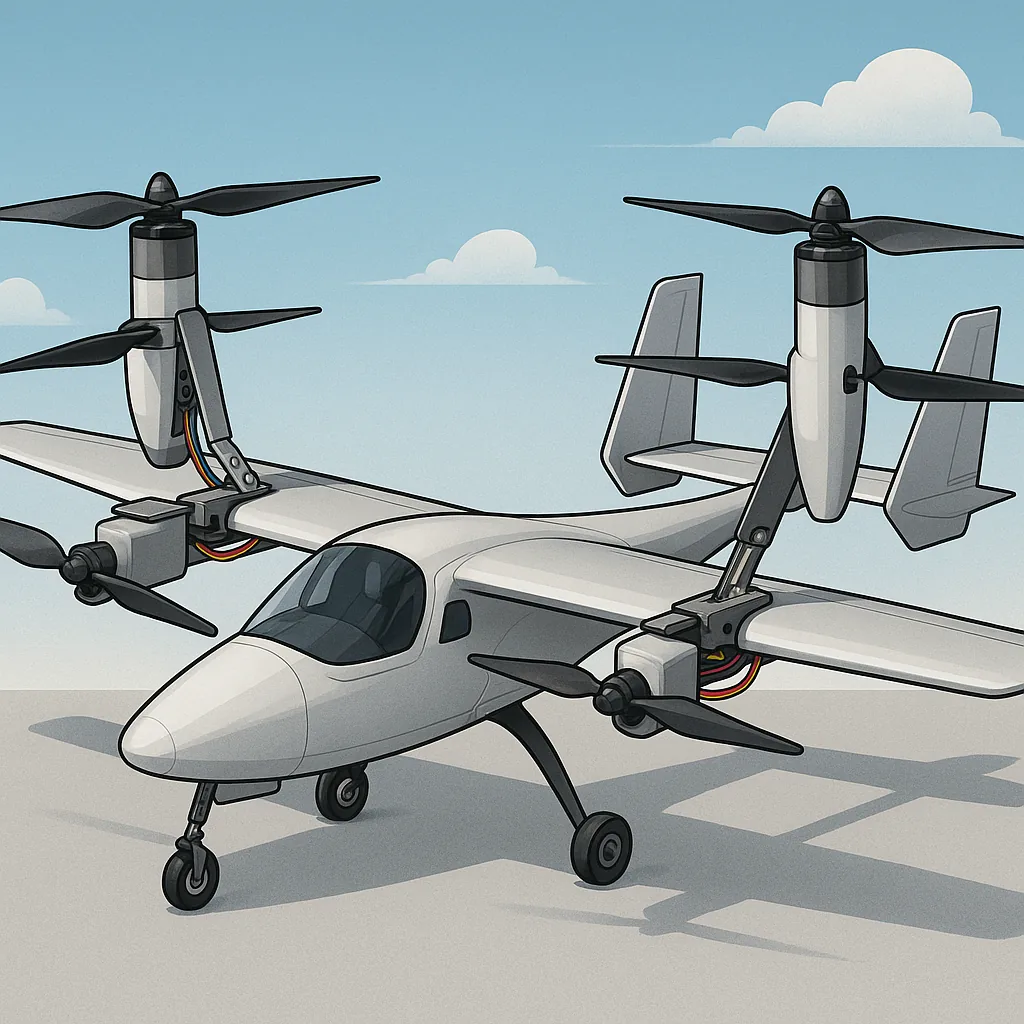
VTOL for Hobbyists: Practical Tips on Transition Programming, Tilt Mechanisms and Wiring.
VTOL aircraft are a rewarding step up from standard multirotors for any maker who enjoys a challenge, and the trickiest part is rarely the airframe but the transition between hover and forward flight. This guide collects pragmatic tips for transition programming, using iNav or ArduPilot, selecting and building tilt mechanisms, and wiring the whole system in a tidy and reliable way. It assumes you have basic experience with RC craft and flight controllers and focuses on solutions that work for home builders rather than commercial integrators.
When programming transitions you must think in stages rather than attempting a single magic setting, and logs are your best friend while tuning. Start with conservative transition speeds and low gain settings in both hover and forward-flight controllers, and log every test with BlackBox in iNav or DataFlash in ArduPilot so you can replay attitude, thrust and servo behaviour. If you need a reference for my own build notes and setup files take a look at WatDaFeck for practical examples and wiring diagrams. Always verify servo endpoints and ensure the controller is commanding the intended tilt angles before attempting a free transition.
Tilt mechanisms vary from simple fixed-tilt mounts to full servo-driven tilt-rotor assemblies, and your choice affects complexity and reliability. For small hobby VTOLs I favour direct-drive servos with metal gears mounted on bearings and a dedicated tilt stop to prevent over-travel, because complexity and weight penalties of gearboxes outweigh their smoothness at this scale. Use fail-safe locking or a mechanical detent where possible so a loss of signal doesn’t leave rotors in an unsafe position, and design the mechanism so you can remove a motor and prop without disturbing the linkage geometry.
Wiring is an area where small mistakes create large headaches, so adopt a methodical approach to power and signal routing. Keep high-current wiring like motor leads and ESC power away from flight controller signal cables to avoid introducing noise into the gyro and accelerometer sensors, and use twisted motor-signal pairs and common-mode chokes where needed. Fit a single, well-chosen central power distribution board or harness, and consider separate BEC or regulator outputs for flight controller and servos when running powerful tilt servos or long runs of LEDs. Ensure good mechanical strain relief and solder joints rather than relying on marginal connectors in high-vibration areas.
Testing and tuning should proceed incrementally with clear go/no-go criteria for each flight phase. Bench-test transitions on a tether and check that the controller blends control surfaces and thrust smoothly, then move to low-altitude free flights with a soft kill switch easily reachable. In iNav you can use the VTOL transition modes and adjust the blend curve and throttle curve to remove sudden thrust jumps, while in ArduPilot you should pay attention to transition speed thresholds and servo speed limits. Reasonable prop selection and centre-of-gravity placement will reduce the amount of control authority change required during transition and make tuning far easier.
- Do a pre-flight power-on checklist that includes servo centring and tilt-angle verification.
- Label all wire pairs and keep a wiring map so repairs are quick and accurate.
- Use logs after every unsuccessful transition to pinpoint the moment control diverges.
- Fit vibration isolation under the FC but not under heavy servo mounts to keep grounds solid.
- When in doubt, decrease transition speed and increase the amount of time the controller has to blend controls.
With patient, methodical testing and neat wiring most hobby VTOLs can achieve reliable transitions that are fun and forgiving to fly, and the payoff is a craft that combines VTOL convenience with efficient forward flight. Keep notes of every parameter change, back up your working configuration, and be ready to revert if a new tweak makes things worse rather than better, because gradual improvement wins over sudden overhaul. Follow me on: Facebook: https://www.facebook.com/watdafeck3d · Instagram: https://www.instagram.com/watdafeck3d/.
Comments
Post a Comment