Flying in Weather: A Beginner's Guide for Hobbyists
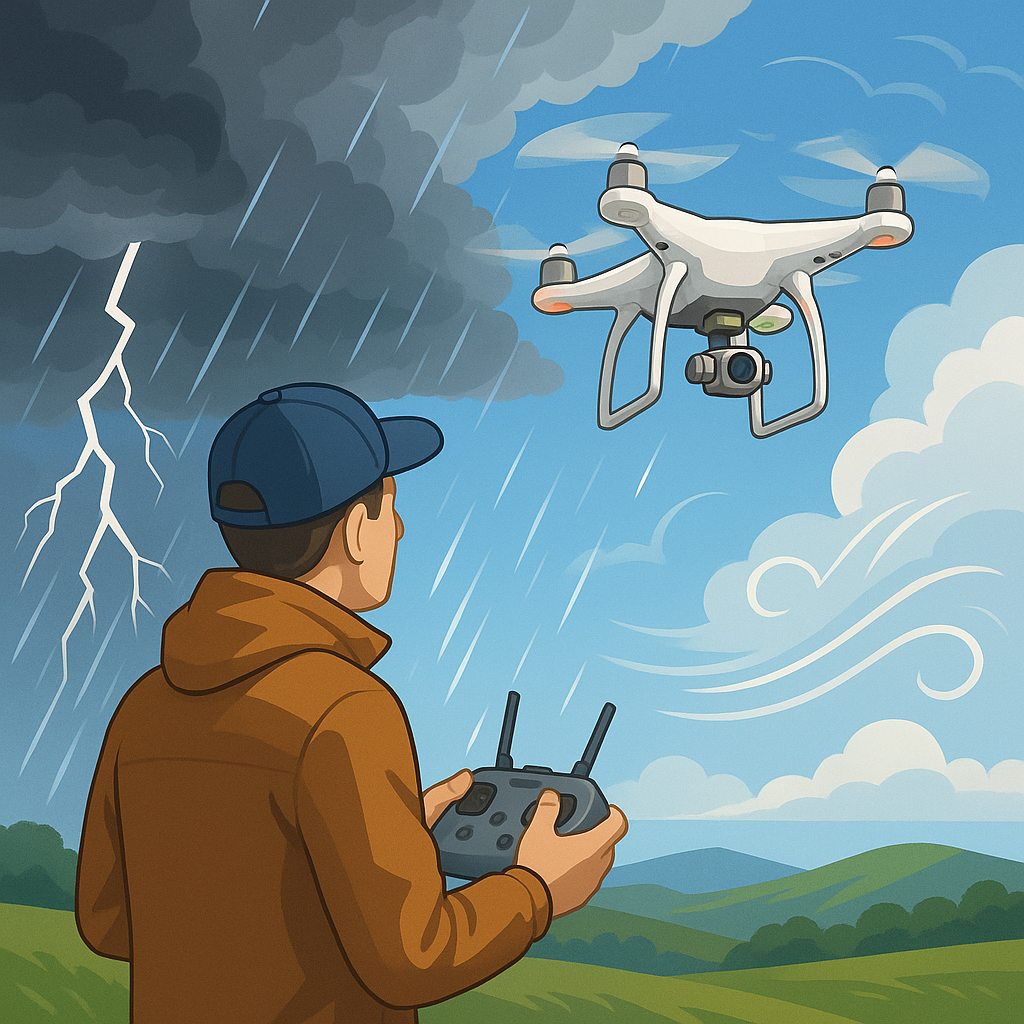
Flying model aircraft and multirotors is one of the most rewarding maker hobbies, but the weather has a huge impact on safety and success. This guide covers the basics you need to know before taking off in windy, wet or cold conditions, with practical tips that are friendly to complete beginners. Read the short sections in order when you prepare for a flight and keep a printed checklist with you if you are new to seasonal flying.
Wind resistance matters more than many new pilots expect because it changes handling, battery drain and the chances of getting blown away from your intended landing spot. Check the forecast and local gusts rather than the average wind speed, because gusts determine how unpredictable the aircraft will feel. For small models and micro drones, an increase of 5 to 10 km/h can move you from calm control to nervous corrections, so be conservative with the wind limits you set for yourself. Remember that flying into the wind gives you more control when landing, but crosswinds and tailwinds increase required landing distance and risk.
Waterproofing protects both the airframe and electronics in light rain and high humidity, and it is worth doing simple things rather than relying on being lucky. Seal exposed servo linkages, use silicone or marine-grade sealant on foam seams, and protect your flight controller and ESCs with conformal coating if they are not already protected. Choose brushless motors with good water-shedding designs or fit small splash guards if you expect occasional rain. Keep in mind that waterproofing adds weight and can change flight characteristics, so test any modifications in calm conditions before trusting them in more challenging weather.
Cold weather battery care is crucial because lithium polymer and lithium-ion cells lose capacity and voltage under low temperatures, and internal resistance rises significantly. Store batteries at room temperature before flying and carry them in an insulated bag to the field to avoid exposing them to the cold for long periods. If the battery is cold, perform a gentle warm-up on the charger or by keeping it in a thermal pouch rather than drawing heavy current immediately, because heavy discharge from a cold pack can damage cells and distort voltage readings. Also practise conservative flight times in cold conditions and check cell voltages more frequently during and after flight to ensure cells remain balanced.
Setting up your machine for adverse conditions helps you stay in control and extend the life of your components, and simple changes often make the biggest difference. Fit higher-pitch or larger-diameter props only when needed for lift, because they can make the craft harder to control in gusty wind, and consider switching to slower, more responsive control rates on your transmitter when it's windy. Calibrate ESCs and your flight controller's compasses and accelerometers in the location you intend to fly when possible, since magnetic and temperature environments affect sensors. Finally, use a failsafe that brings the model to a safe behaviour if radio link or telemetry is lost.
Before you head out, run a short pre-flight checklist so you do not miss simple but critical items, and consult trustworthy community resources if you are unsure of local conditions. Useful checklist items include verifying prop screws, checking battery charge and temperature, confirming GPS lock and geofencing if available, ensuring watertight seals have not come loose, and choosing a take-off and landing area sheltered from the worst gusts. For more detailed build notes and experiments that help with weatherproofing and winter battery care see my blog at WatDaFeck.
Follow me on: Facebook: https://www.facebook.com/watdafeck3d · Instagram: https://www.instagram.com/watdafeck3d/.
Comments
Post a Comment