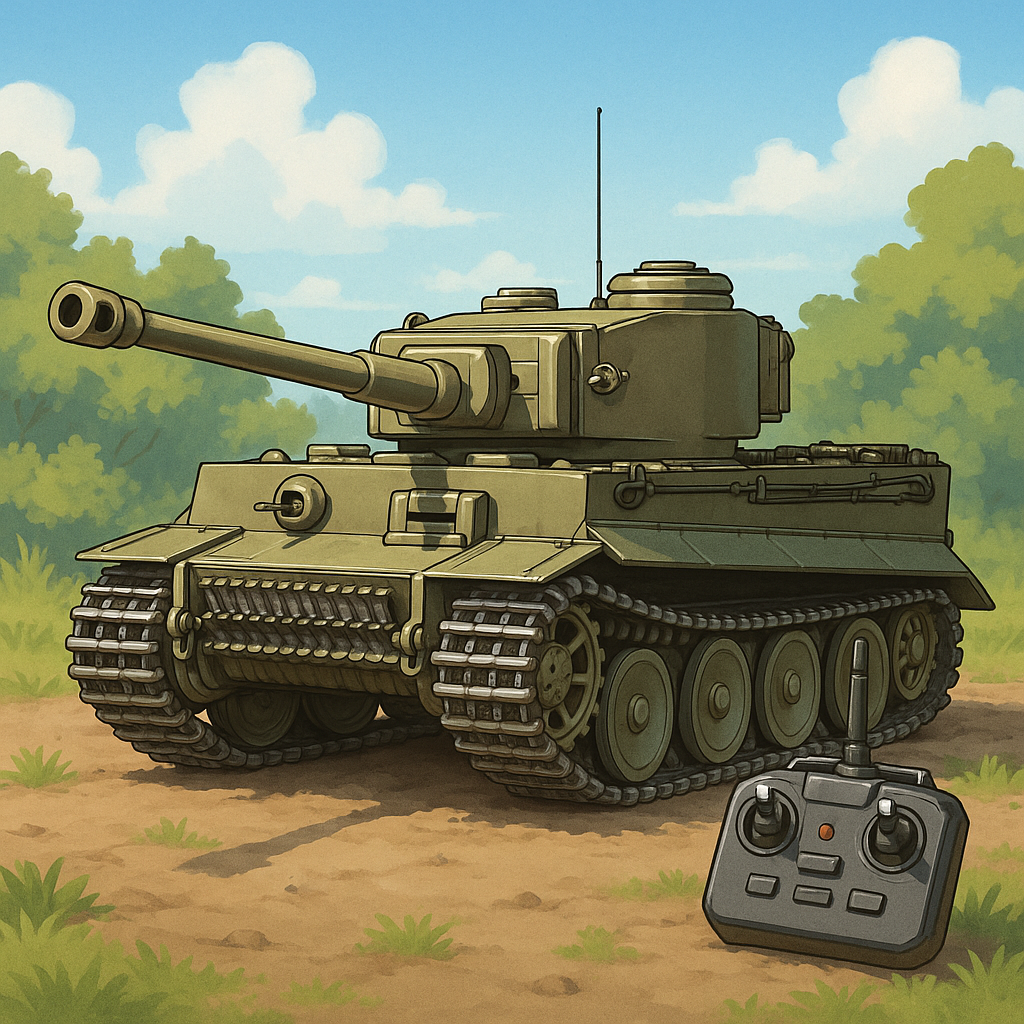
Beginner's Guide to RC Tanks: Metal Tracks, Turret Stabilisation, IR Battles and Realistic Sounds
RC tanks are a rewarding hobby that combine scale modelling, electronics and driving skill, and they make for some of the most atmospheric machines in any garden or field. This guide walks a beginner through the core elements that make a model feel like a real tank, with a focus on metal tracks, effective turret stabilisation, IR battle systems and convincing sound effects. If you are just starting out, understanding these systems will help you choose sensible upgrades and avoid common pitfalls.
Metal tracks are one of the best upgrades for realism and durability because they handle weight and rough terrain far better than plastic links. Steel or die-cast tracks add traction and a satisfyingly heavy roll, but they also increase drivetrain wear and require proper tensioning and lubrication to prevent binding. Check the track pins and bushings regularly for wear, use a light oil on moving joints rather than a heavy grease that can attract grit, and ensure your drive sprockets and idlers are aligned to avoid premature tooth wear.
Turret stabilisation is what separates a toy from a believable miniature war machine, and modern approaches use compact IMUs and tuned servos to keep the gun platform steady while the hull moves. A small gyro or inertial sensor feeding a flight-controller-style PID loop can command the turret and gun servos to compensate for pitch and roll, which helps a line-of-sight IR system or camera stay on target during motion. Balance the turret so the centre of gravity is close to the rotation axis, use metal gear servos for torque and repeatability, and consider soft mounting the sensor to reduce vibration noise for more reliable stabilisation.
IR battle systems are a safe and user-friendly way to simulate combat without projectiles, and they come in varying formats from simple single-beam setups to multi-channel systems with individual crew hits and respawn rules. Look for systems with adjustable range and hit sensitivity to suit your playing area, and choose one with clear hit feedback such as LEDs, sound cues or a radio-linked respawn controller. When organising skirmishes, agree rules on engagement ranges, friendly-fire penalties and tank health values to keep play fair and fun, and always check the batteries and sensor alignment before a match.
Realistic sounds elevate the experience more than any cosmetic detail, because the aural cues tell your brain that something big is happening even at scale. Dedicated sound modules map throttle position to engine rumble, playback turret rotation noises, annunciators and gun reports, and many hobby decoders allow you to trigger different files for startup, idle and shutdown. Place the speaker in a sealed or partially sealed compartment to enhance bass, use a small amplifier if the module output is weak, and synchronise sound triggers with turret motion and IR hits for that authentic reactive feel.
For a beginner, start with a robust RTR or a simple kit from a reputable maker and prioritise a few upgrades rather than trying to fit everything at once, because good metal tracks, a basic sound board and a gyro-stabilised turret offer the biggest improvement for the least complexity. Learn basic maintenance routines such as track tension checks, battery care and servo calibration so your tank stays reliable, and join local groups or online forums to compare setups and battle rules. If you want project walkthroughs and parts recommendations, take a look at my blog for build logs and tips at WatDaFeck.
Follow me on: Facebook: https://www.facebook.com/watdafeck3d · Instagram: https://www.instagram.com/watdafeck3d/.
Comments
Post a Comment