RC Trucks and Haulers: Project Ideas for Gearboxes, Trailers and Scale Detail
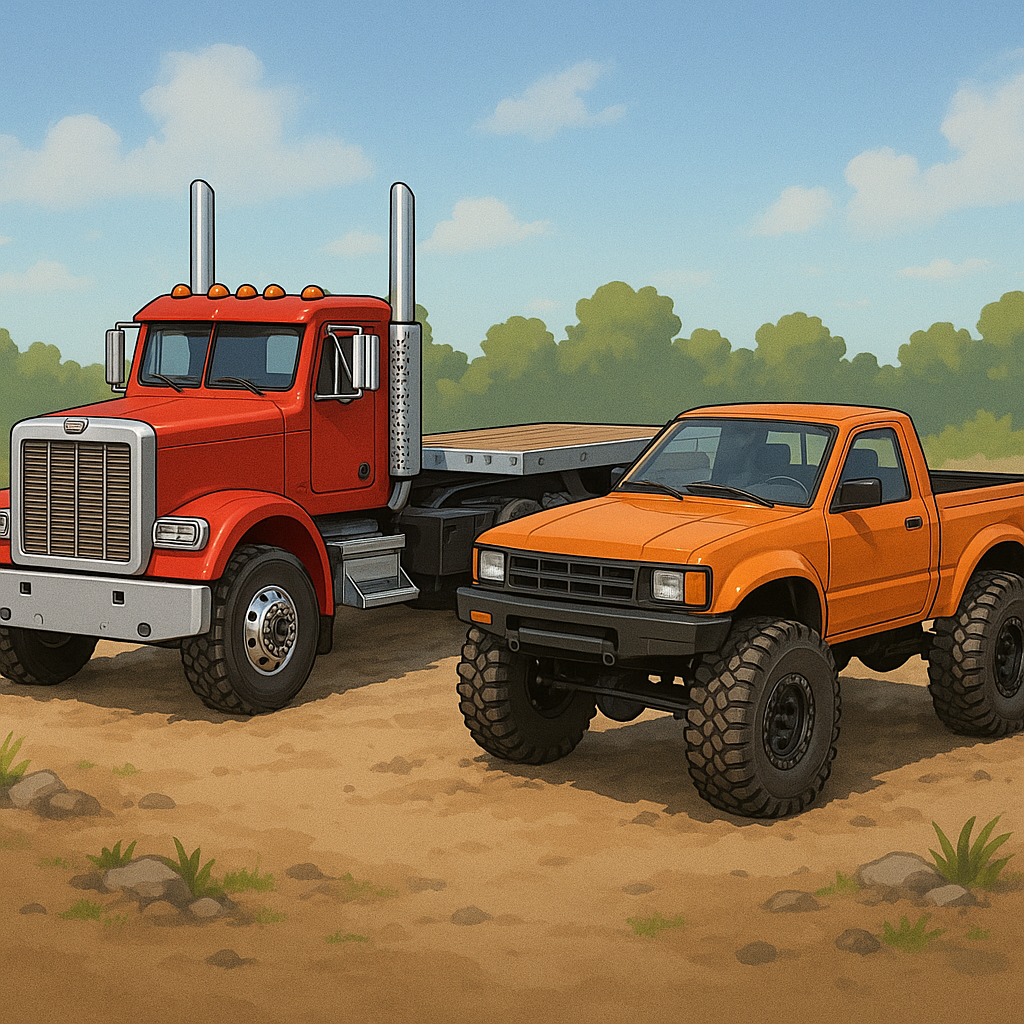
RC trucks and haulers are a brilliant way to combine mechanical engineering, scale modelling and radio control skills into satisfying weekend projects for hobbyists of all levels. This roundup focuses on four areas that make a model stand out on the trail and at events: gearboxes, trailers, scale detail and multi-speed systems. Each idea is approachable with basic tools and a mix of 3D-printed parts, off-the-shelf hardware and a little patience. The suggestions here are intended to spark builds you can finish in a few evenings or develop into long-term show rigs.
Start with gearbox design because it determines how a model feels to drive and what loads it can carry. Simple custom gearboxes can be printed in PETG or nylon for low-speed duty, but metal spur gears or brass bushes are recommended for heavy haulers to avoid premature wear. Consider bearing placement and backlash control when laying out gears, and aim for modular housings that accept different gear sets so you can change ratios for testing. A well-built gearbox reduces heat, improves efficiency and lets you fit useful features like integrated diff locks and mounting points for a servo-operated shifter.
Multi-speed systems add realism and usability to scale trucks, and there are several routes to a working shifter. Electronic solutions use dual ESCs or programmable ESCs to create distinct speed bands and are simple to install, while mechanical sequential gearboxes give authentic shifting action and can be operated by a standard hobby servo. For a classic three-speed mechanical gearbox you can stack planetary sets or use stepped belt drives with a dog-clutch, and keep in mind that smooth gear engagement relies on precise alignment and firm support for input shafts. If you want step-by-step guides and parts lists, check my workshop page at WatDaFeck.
Trailers are where the hauling theme really comes to life, and designing a trailer can be as simple or elaborate as you like. A standard flatbed with a detachable pintle hook makes for a versatile project that accepts different cargo modules, while a low-loader with tapered ramps and working winch introduces realistic loading challenges. Pay attention to coupling geometry to avoid binding when cornering, and consider independent axle suspension or walking-beam rigs to keep all wheels in contact with rough terrain. For heavier models, distribute weight close to the trailer’s axle line and use steel or aluminium reinforcements where 3D-printed parts would otherwise flex.
Scale detail lifts a build from a functional machine to an attention-grabbing model, and there are endless ways to add realism without huge expense. Small touches like period-correct mudflaps, leaf-spring stacks, hydraulic hoses, LED marker lights and weathered paint transform an otherwise plain truck. Interiors with a simple printed dashboard, driver figure and wiring looms reward close inspection, while working accessories such as a crane jib, rotating turntable or a fold-out loading ramp increase play value. Use fine decals or laser-cut vinyl for signage and registration plates to complete the look.
To help you pick a project, here are practical ideas that combine the elements above into doable builds for different skill levels, and each can be scaled up with more complex gearboxes or detailing as you gain experience.
- Beginner: Single-speed hauler with a printed gearbox housing and metal spur gears for strength.
- Intermediate: Trailerable flatbed with removable cargo modules and realistic coupling mechanisms.
- Intermediate: Two-speed electronic drive using a programmable ESC to simulate low and high ranges.
- Advanced: Three-speed mechanical sequential gearbox using stacked planetary gears and servo shifting.
- Advanced: Heavy-hauler with steel-reinforced chassis, working winch and articulated trailer steering.
When planning any of these projects, remember to test frequently, keep spares of small items like pinions and bearings, and tune gearing for both torque and battery life rather than top speed alone. Documenting your builds with photo logs and parts lists makes troubleshooting easier and helps the community learn from your experiments. Have fun engineering practical solutions and adding scale touches that tell a story about the vehicle and its intended load.
Follow me on: Facebook: https://www.facebook.com/watdafeck3d · Instagram: https://www.instagram.com/watdafeck3d/.
Comments
Post a Comment