Telemetry systems for hobbyists: tips and tricks for GPS, ELRS, MSP, current sensors and Blackbox logs
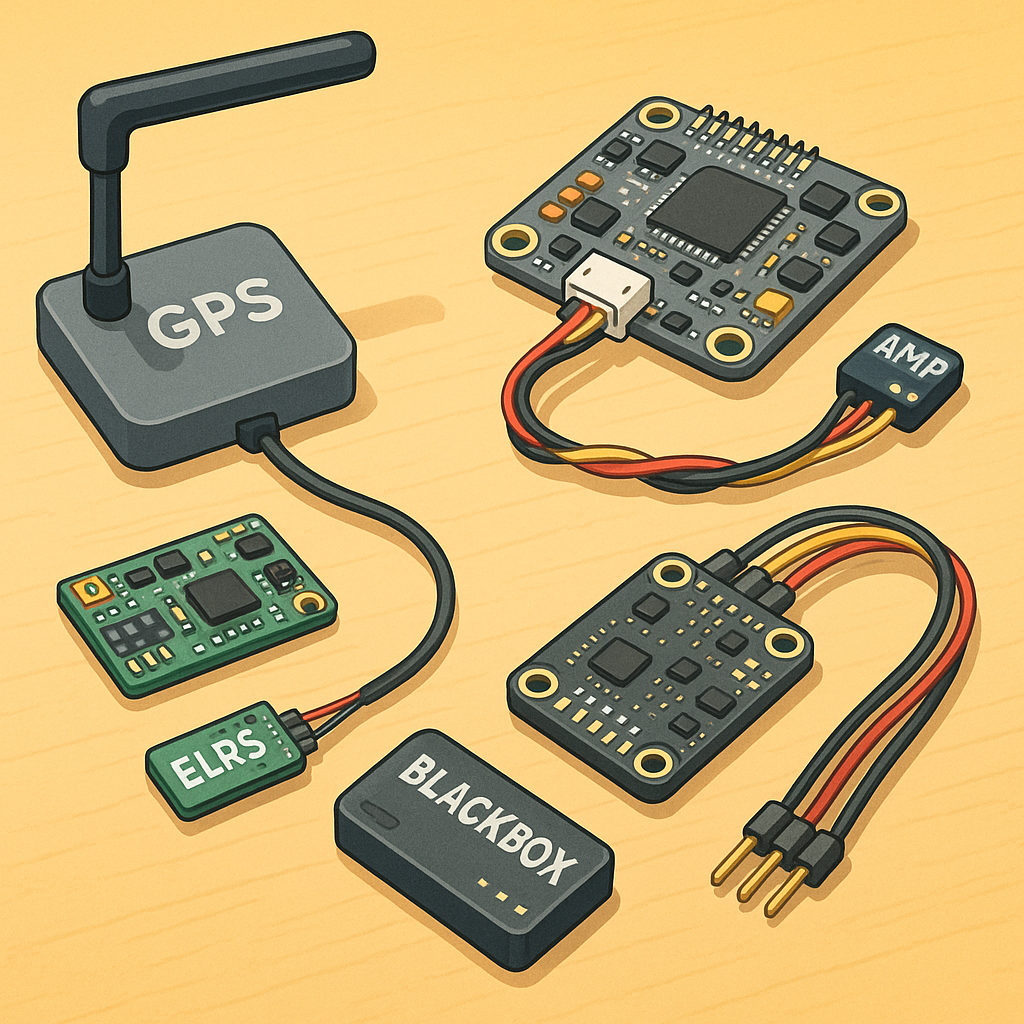
Telemetry systems for hobbyists: tips and tricks for GPS, ELRS, MSP, current sensors and Blackbox logs
Telemetry has moved from a niche feature to an essential tool for RC and drone hobbyists, and getting it right can save a lot of time and heartache during testing and flying sessions.
For GPS modules, siting and power are the two simplest wins, so mount the antenna clear of noisy electronics and power the module from a stable 3.3V or 5V rail as recommended by the manufacturer, and avoid running the antenna cable alongside ESC or motor wiring for cleaner reception and faster fixes.
When setting up ELRS telemetry and MSP, make sure your receiver and flight controller speak the same protocol and baud rate, and enable MSP on the correct UART in the flight controller configuration to allow telemetry and OSD data to pass reliably, and remember that reducing telemetry frequency can improve link robustness at long range while keeping essential data available.
Current sensors are a frequent source of frustration unless calibrated and installed properly, so choose a sensor rated comfortably above your peak current, mount shunt-based sensors in the main negative lead close to the battery, zero the offset with no-load measurements, and enter the correct scale factor in the flight controller to ensure battery life estimates and logging are meaningful.
Blackbox logs are the single most powerful diagnostic tool for tuning and troubleshooting, and the best practice is to record at a reasonable rate that captures the dynamics you care about, use Blackbox Explorer or similar software to compare gyro traces against motor outputs, and look for tell-tale signs such as consistent phase lag or motor clipping which point to filtering or PID adjustments rather than hardware faults.
Combine these systems sensibly by matching update rates and prioritising the most useful telemetry for your flying style, maintain firmware updates and a simple wiring diagram for every build, and for more detailed guides and example setups visit WatDaFeck for project notes and diagrams that might save you time during assembly and debugging.
Follow me on: Facebook: https://www.facebook.com/watdafeck3d · Instagram: https://www.instagram.com/watdafeck3d/.
Comments
Post a Comment