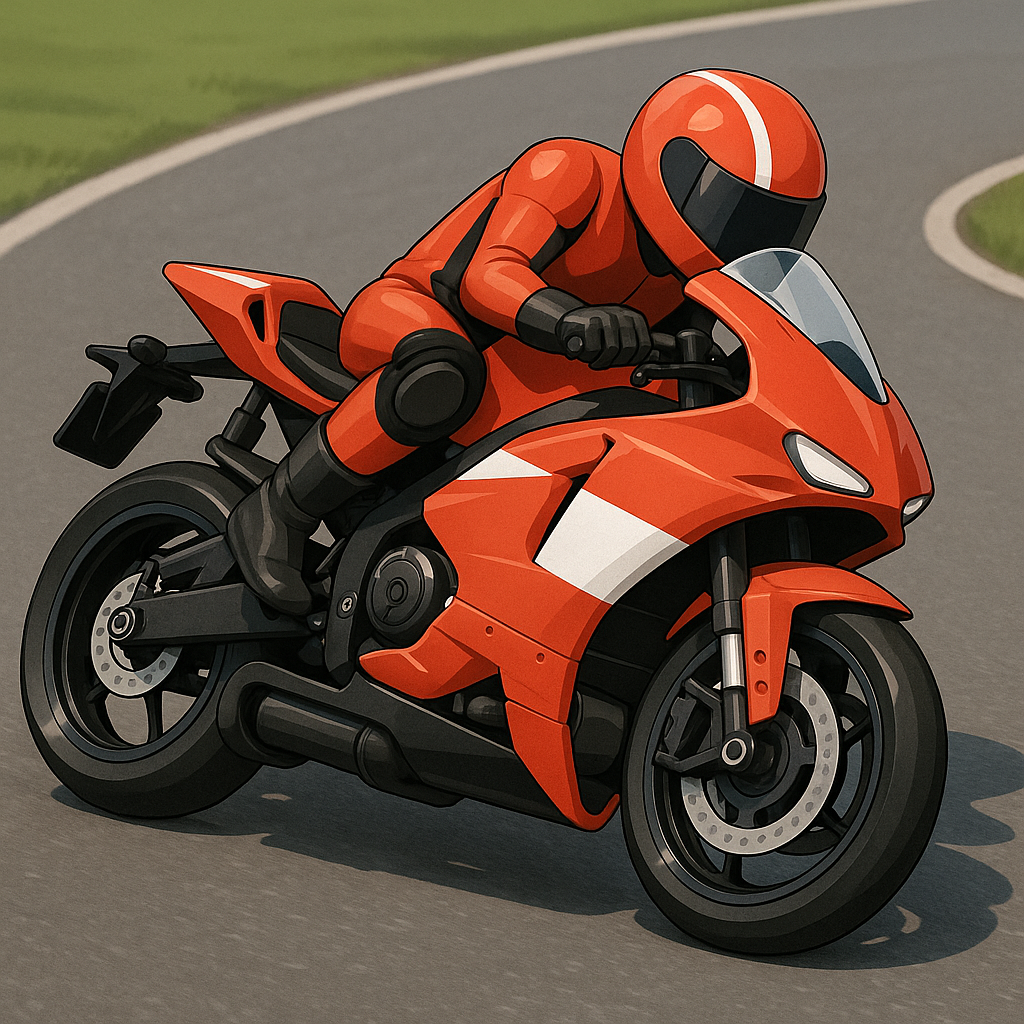
Troubleshooting RC Motorcycles: Gyro Wheels, Stabilisation, Cornering and Weight Balance.
Remote control motorcycles demand a tidy balance between mechanical setup and rider input, and when things go wrong the symptoms are usually obvious on the track or driveway. Typical signs to watch for are sudden self-correction from the front end, a tendency to wash wide in corners, or a nervous wobble at speed, and identifying whether the cause is mechanical, electronic or setup-related is the first step to fixing the problem.
Gyro wheels and dedicated gyroscope modules are common on modern RC bikes and they give impressive stabilisation when configured correctly. Start by checking the gyro mounting and orientation because even a small misalign can introduce fighting behaviour, then check the wiring, supply voltage and any firmware for the unit. When adjusting gyro gain, increase it slowly from a low baseline while testing in short runs, because too much gain can cause oscillation and too little will not help corner entry, and always make incremental changes rather than large jumps in settings.
Stabilisation is not just the gyro, and mechanical factors often play the largest part in poor handling behaviour. Inspect steering linkages for slop, ensure bearings are free and not binding, confirm that the front fork alignment is straight, and look for loose or cracked chassis parts that permit flex under load. Small mechanical faults amplify gyro or servo corrections, so fix any play or friction before tuning electronics to avoid chasing symptoms rather than root causes.
Cornering performance is a balance between throttle control, chassis setup and weight distribution, and simple technique changes can be as effective as tuning. Practice smooth throttle roll-on to avoid abrupt weight transfer and apply braking before the turn to settle the bike, then modulate power through the apex to maintain traction, while experimenting with battery position to influence understeer or oversteer. If the bike tends to tuck the front or lift the inside wheel, move mass slightly forward to add bite to the front tyre or move it rearwards if the bike feels locked into a line, and document each change so you can revert if it makes handling worse.
For a concise troubleshooting routine, follow a methodical checklist: confirm mechanical integrity, calibrate and then tune the gyro with small steps, check servo centring and end points, adjust battery and accessory placement for the desired weight balance, and test tyres and pressures on the surface you ride most. If you need parts lists, setup sheets or detailed build photos see the WatDaFeck blog for practical examples and downloadable templates that match many popular RC motorcycle platforms.
Follow me on: Facebook: https://www.facebook.com/watdafeck3d · Instagram: https://www.instagram.com/watdafeck3d/.
Comments
Post a Comment