Beginner's Guide to VTOL for Hobbyists: Transition Programming, iNav/ArduPilot, Tilt Mechanisms and Wiring Tips
Beginner's Guide to VTOL for Hobbyists: Transition Programming, iNav/ArduPilot, Tilt Mechanisms and Wiring Tips
Vertical take-off and landing models bring the best of both worlds to the hobbyist by combining multi-rotor hover capability with fixed-wing efficiency for forward flight, and they reward careful planning and testing with long-range, fast cruise performance.
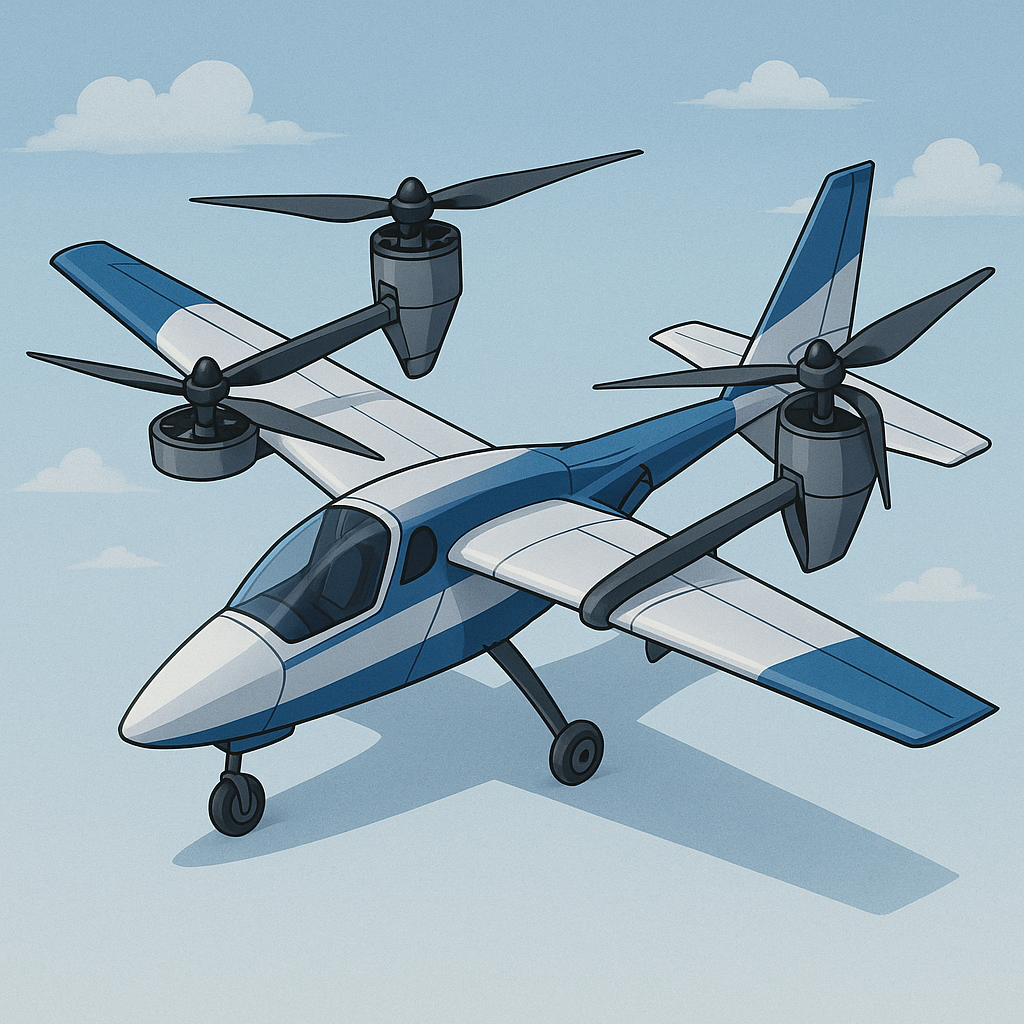
VTOL types fall into a few clear groups such as tiltrotors, tilt-wings and tailsitters, and each has different mechanical and flight-control demands that affect your build choices.
Transition programming is the process of moving smoothly and safely between hover and forward flight and it is the single most important software task on a VTOL project because the aircraft must blend thrust vectoring, control-surface inputs and motor speed changes without inducing a stall or oscillation.
When choosing a flight stack, iNav is popular for smaller hybrid builds and offers a friendly configurator and decent VTOL support, while ArduPilot targets more complex platforms with advanced failsafe, mission and VTOL-specific mixing options, and if you want step-by-step builds and parts lists for VTOL models, visit my site at WatDaFeck.
Tilt mechanisms are the heart of tiltrotor and tilt-wing designs and you should aim for low backlash, robust bearings and servos sized for continuous torque rather than peak torque because the actuators will hold aerodynamic loads during transition, and consider metal gears, ball bearings, and mechanical end-stops or sensors to protect linkages from overtravel.
Wiring is often overlooked yet it underpins reliable behaviour, so place ESCs close to the motors where possible, run heavy power wires separately from signal wires to reduce noise, use a proper power distribution board or robust bus bars, add a common ground reference and consider an LC filter or dedicated BEC for servo power to avoid brownouts during transitions when motors change load quickly.
Tuning a VTOL should be done incrementally with bench tests and short hover trials while monitoring logs because PID values, I gains and transition blend curves interact across axes, and always verify that your failsafe modes, RC trims and transition triggers behave predictably before attempting full-speed forward flight.
Follow me on: Facebook: https://www.facebook.com/watdafeck3d · Instagram: https://www.instagram.com/watdafeck3d/.
Comments
Post a Comment